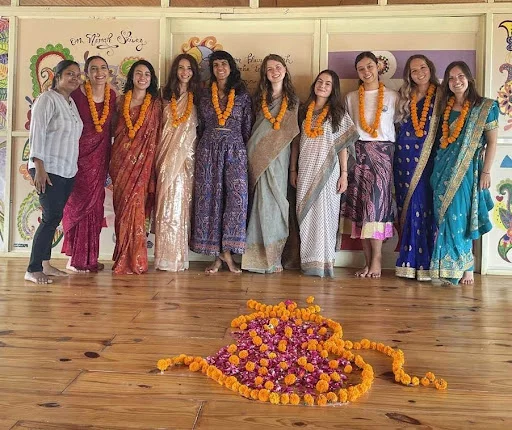
Learning Yoga in India is generally seen as one of the most genuine forms of learning more about this old movement. India not only has the claim to be the home of yoga but also provides an experience where you can freely mix with traditional teachings, disciplined routines and various aspects of culture. Sure, a lot of students go for yoga teacher training in India to become certified but it delivers much more and long-lasting knowledge about physical health, mental clarity, and conscious living.
This guest post identifies some of the key lessons that students learn from studying yoga in India, providing a glimpse so that prospective students can get an idea of what they will actually acquire through this transformative journey.
Yoga Becomes a Holistic Lifestyle
The top among them is treating yoga as more than just another workout; it goes beyond that – it’s an entire lifestyle. Training programs focus not just on asana practice but also:
· Pranayama (breath control)
· Meditation and mindfulness
· Yogic philosophy and ethics
· Balanced daily routines
This all-encompassing technique allows students to incorporate yoga into their daily lives, which ultimately strengthens mind-body balance while also improving physical wellbeing, providing a stable place for the soul.
Strong Foundation in Traditional Knowledge
The rich tradition of yoga education on Indian soil can allow for a study of lineage-based traditional teachings, many of which are rooted in ancient texts. Students learn more about the following:
· Proper alignment and anatomy
· Safe and sustainable practice methods
· The philosophy behind yoga techniques
This foundation is the key to not just a few weeks of yoga, but that sets you up for a lifetime practice and teaching safely as well — especially if you’re thinking about signing up for some kind of yoga training course here in India.
Discipline and Structured Living
A standard yoga instructor training program in India has an organized schedule consisting of pre-dawn meditation classes, multiple lectures a day and studying classes.
This can be hard at first, but the process helps build:
· Consistency in practice
· Time management skills
· Mental resilience
In due time, these training routines become a useful tool to preserve balance and productivity outside the camp.
Breathwork as a Core Practice
One of the most underrated but powerful tools in yoga is pranayama. Students learn how breath control affects the nervous system, energy levels and emotion during training.
While techniques like Nadi Shodhana and Kapalbhati are hundreds of years old, researchers today have proved their worth when it comes to enhancing concentration and reducing stress.
Enhanced Mind–Body Awareness
With repetitive practice, students establish a stronger mind-body connection. This awareness helps in:
· Recognizing physical limitations
· Preventing injuries
· Improving posture and movement patterns
· Managing stress more effectively
Perhaps, one of the main takeways from learning yoga in India is this mind–body connection.
Cultural Immersion and Authentic Experience
Rishikesh and similar areas provide a culturally rich environment where yoga is a way of life. Students often experience:
1. Traditional chanting and rituals
2. Sattvic (balanced) diet
3. Ashram-style living
4. Spiritual surroundings
This immerses you in a learning experience that offers greater appreciation of the origins and philosophy of yoga.
Simplicity Improves Focus and Clarity
Training life is deliberately austere—less noise, less distraction, a regimented rhythm to the day and plenty of time spent doing “the fundamentals.” Seeing everything in a simple template makes things way less cluttered mentally so it helps students focus on learning rather than processes.
Global Networking and Community
Yoga teacher training in India attracts students from around the world. This creates opportunities to:
- Share diverse perspectives
- Build meaningful connections
- Learn from different cultural approaches to yoga
These global connections often become long-term professional and personal networks.
Personal Transformation Beyond Certification
Certification will be a good high level outcome but the greater benefit of it is in transformation. Students commonly experience:
· Improved physical strength and flexibility
· Improved stress-management and emotional balance
· Increased self-awareness and mindfulness
· A lifestyle with more self-discipline and awareness
A 200 hour yoga teacher training is a scaffolding for these transitions, and brings together practical learning with theoretical depth. Specialty topics (such a sfertility yoga) are also included in many of the courses to help students gain an understanding on how yoga supports hormonal balance and reproductive health. Online Yoga teacher training can also provide the missing link towards this journey, especially for those who cannot undertake traveling.
Conclusion
Yoga in India is so much more than training with technicalities. It offers a holistic and immersive experience connecting heritage wisdom, purposeful living and personal development.
If you are contemplating on a yoga teacher training in India, these key takeaways will help bring your expectations to ground level and also highlight how valuable the journey is. But certification goes beyond this as it opens a way for self-discovery, and equilibrium detailed that make it one of the most rewarding experiences possible for aspiring yoga practitioners.