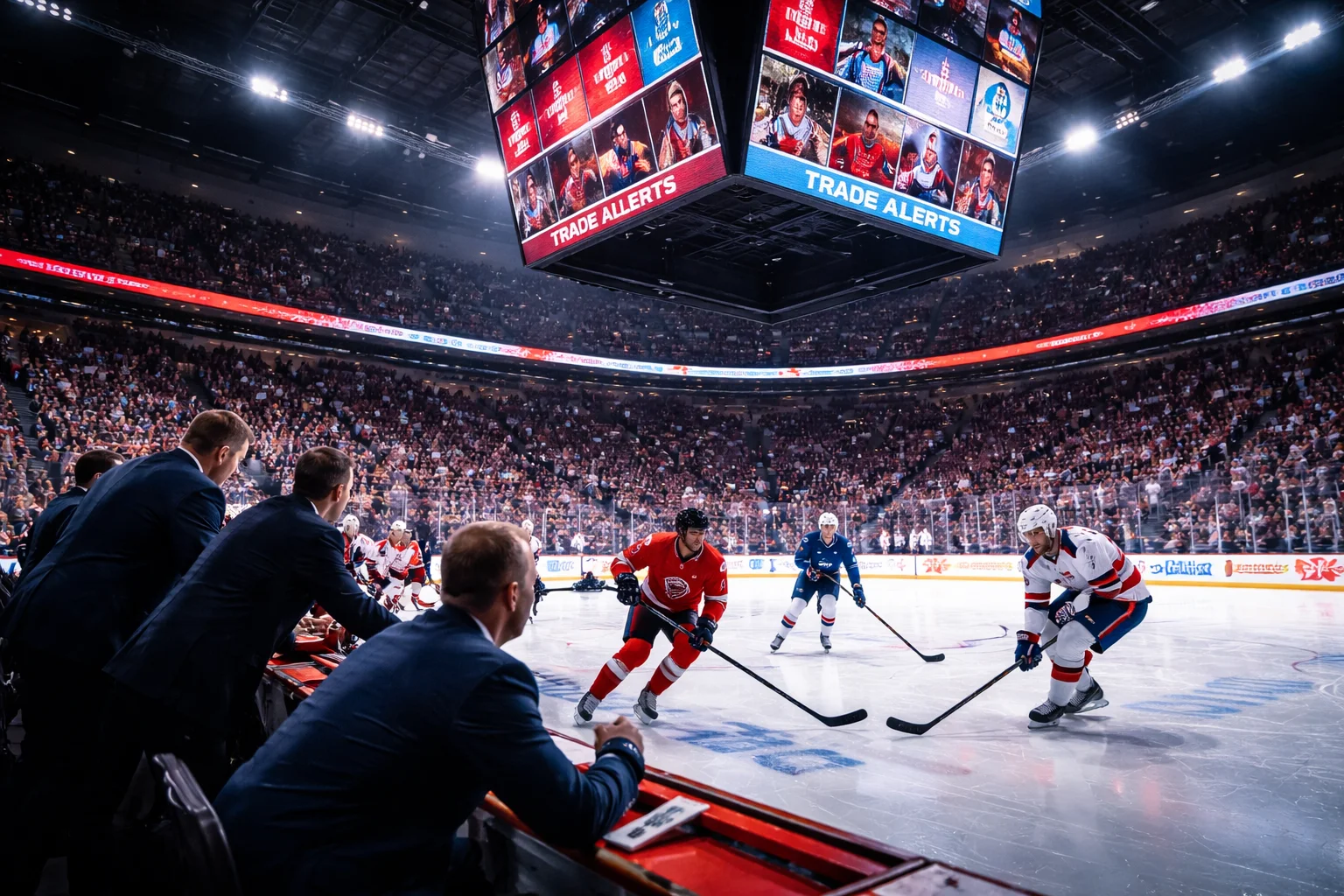
The NHL trade deadline is one of the most important moments of the hockey season. It is the point where teams must decide who they truly are. Some teams push hard to win now. Others step back and prepare for the future. Every season, the deadline reshapes rosters, changes playoff races, and defines the direction of franchises.
This moment is not only about players changing teams. It is about timing, strategy, risk, and opportunity. Front offices work for months leading up to this day, balancing short-term success with long-term stability. For fans, it delivers drama, surprises, and major storylines that often decide how the rest of the season unfolds.
This article breaks down everything that matters about the NHL trade deadline—how it works, why it exists, what teams look for, how it affects players and fans, and why it holds such power in shaping the league every year.
What Is the NHL Trade Deadline?
The NHL trade deadline is the final point in the regular season when teams are allowed to trade players who are eligible to play in the postseason. Once this deadline passes, teams can still make trades, but any player acquired after the deadline cannot play in the playoffs for that season.
This rule creates urgency. Teams must act before the clock runs out or risk missing the chance to strengthen their lineup for a playoff push. The deadline usually falls in late February or early March, depending on the season calendar.
See also Sportsnet 650: Vancouver’s Home for Live Sports Talk and Coverage
Why the NHL Trade Deadline Exists
The deadline exists to protect fairness and competitive balance. Without a cutoff, strong teams could add key players deep into the season, giving them an unfair advantage just before the playoffs begin.
By setting a clear limit, the league ensures that roster construction for the postseason happens within a controlled window. Teams must plan ahead instead of reacting at the last second.
How the Trade Deadline Works
Timing and Eligibility
Once the deadline passes:
- Players traded afterward cannot play in that season’s playoffs
- Teams must rely on their existing roster and eligible acquisitions
- Emergency call-ups remain possible under league rules
This makes every move before the deadline critical.
Contract Rules That Affect Trades
Certain contract clauses strongly influence what happens at the deadline:
- No-trade clauses allow players to block trades to certain teams
- No-movement clauses prevent trades entirely unless waived
- Salary structure and cap space determine whether deals are possible
Because of these factors, not every rumored trade can actually happen.
Buyers vs Sellers: How Teams Choose Their Path
As the deadline approaches, teams usually fall into two categories.
Buyers
Buyers are teams that believe they can make a deep playoff run. They often:
- Add experienced players
- Target strong defensemen or reliable scorers
- Improve depth for injuries and tough matchups
These teams are willing to give up draft picks or prospects to strengthen their roster immediately.
Sellers
Sellers focus on the future. They often:
- Trade expiring contracts
- Move veterans for picks or young players
- Clear cap space for future seasons
This approach helps teams rebuild or retool while gaining long-term assets.
The Most Common Types of Deadline Trades
Depth Players
Many trades involve role players who improve a team’s bottom lines or defensive pairs. These players may not grab headlines, but they often play crucial roles in playoff success.
Star Rentals
Some teams acquire top players on expiring contracts. These players are expected to make an immediate impact, even if they stay for only one playoff run.
Cap-Balancing Deals
Salary cap limits force creative solutions. Teams may retain salary or involve third parties to make trades work financially.
How the Deadline Affects Playoff Races
The deadline can dramatically shift the balance of power.
- A strong acquisition can turn a fringe team into a serious contender
- Poor decisions can weaken chemistry or drain future resources
- Injuries shortly after the deadline can change everything
Many playoff outcomes can be traced directly to decisions made during this short window.
Impact on Players
Emotional Pressure
Players often face uncertainty leading up to the deadline. Families may need to relocate quickly. Careers can change overnight.
New Roles and Expectations
Players traded to contenders may move into smaller roles. Others may receive larger responsibilities on rebuilding teams.
Motivation and Performance
Some players elevate their play after a trade. Others struggle to adjust. The deadline tests adaptability and mental toughness.
How General Managers Prepare
Successful deadline decisions rarely happen at the last minute.
General managers:
- Track performance trends throughout the season
- Monitor injuries and lineup needs
- Maintain trade discussions weeks in advance
- Weigh short-term gains against future cost
The strongest front offices treat the deadline as part of a long strategy, not a single event.
Fans and Media Reaction
The trade deadline creates one of the busiest days of the season for fans and analysts.
- Live updates track every move
- Debates erupt over winners and losers
- Expectations shift instantly
Even small trades receive intense attention because of their potential playoff impact.
Common Mistakes Teams Make
Overpaying for Short-Term Help
Some teams sacrifice too much future value for limited improvement.
Ignoring Chemistry
Adding talent does not always improve results. Poor fit can hurt team performance.
Waiting Too Long
Hesitation can cost teams the chance to address critical weaknesses.
Why the Deadline Matters More Than Ever
Modern hockey values depth, speed, and adaptability. The deadline allows teams to fine-tune these qualities at the most important moment of the season.
With tighter salary structures and faster gameplay, even small roster upgrades can make a major difference.
Frequently Asked Questions
Can teams still trade players after the deadline?
Yes, trades are still allowed, but players acquired afterward cannot play in that season’s playoffs.
Why do some teams trade stars instead of keeping them?
If a team is unlikely to compete, trading stars can bring valuable future assets instead of losing players for nothing.
Do deadline trades guarantee playoff success?
No. While they can help, success still depends on health, chemistry, and execution.
Are draft picks commonly traded at the deadline?
Yes. Draft picks are often used to acquire immediate help from selling teams.
Final Thoughts
The NHL trade deadline is a defining moment in every season. It reveals which teams believe in their present and which are building toward tomorrow. Decisions made during this window shape playoff outcomes, influence careers, and leave long-lasting marks on franchises.
More than just a deadline, it is a test of judgment, preparation, and vision. Teams that understand its importance and act with clarity often gain the edge that separates contenders from everyone else.
For fans, it remains one of the most exciting and unpredictable chapters of the hockey calendar—where strategy meets urgency and every move carries weight.