
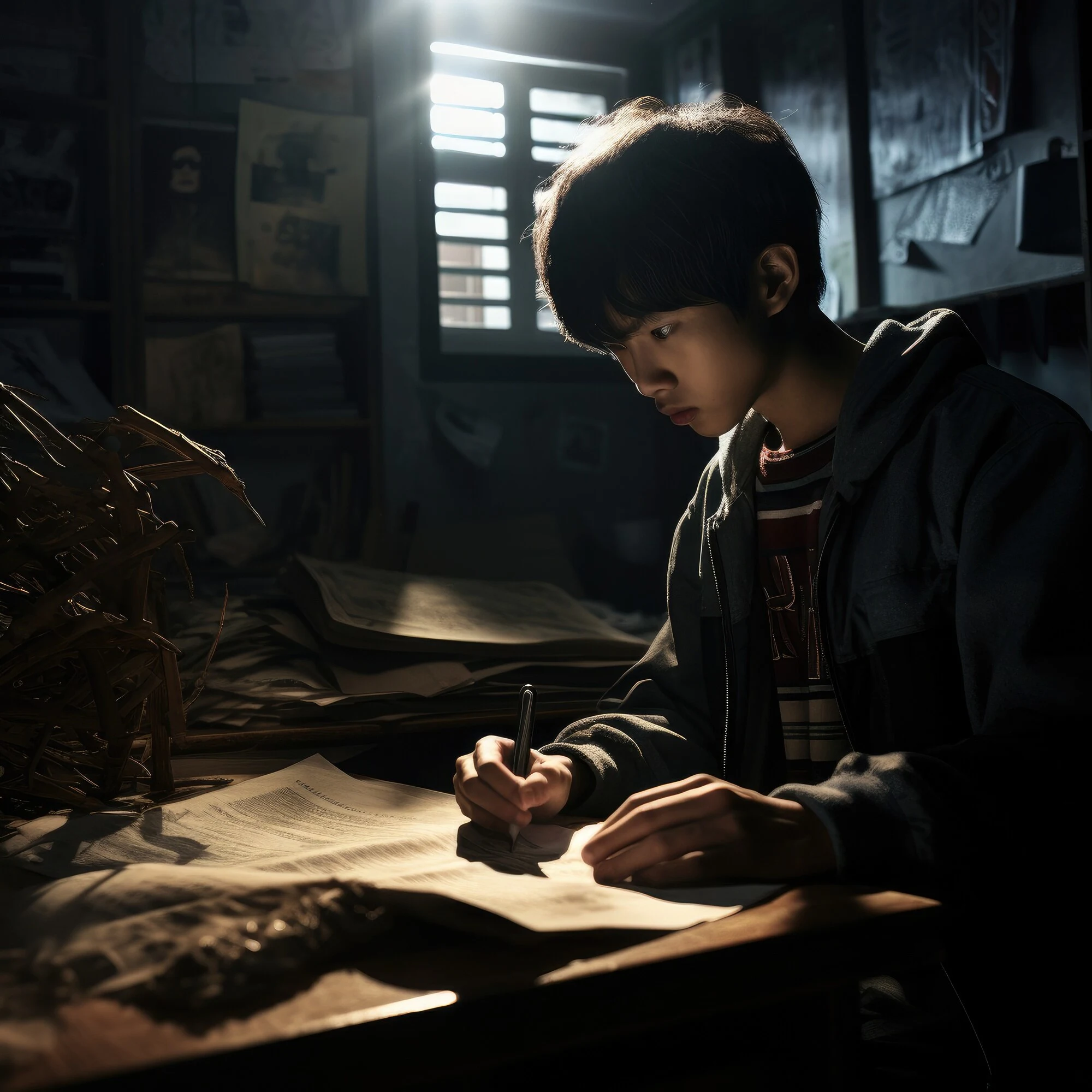
Welcome to MyHaiku, a space dedicated to the art of haiku poetry. Whether you’re a seasoned poet or a curious beginner, understanding the nuances of haiku can enrich your creative process. MyHaiku offers insights into writing, appreciating, and sharing haikus across various platforms. Let’s explore how this concise form of Japanese poetry can inspire your creativity.
Understanding Haikus
A haiku is a traditional form of Japanese poetry known for its simplicity and depth. Typically, a haiku consists of three lines with a syllabic pattern of 5-7-5. This structure emphasizes brevity and clarity, encouraging the poet to convey emotions and imagery in a limited space.
Characteristics of Haiku
- Seventeen syllables divided into three lines
- Seasonal reference (kigo) to ground the poem in nature
- Use of juxtaposition to present contrasting images
- Focus on nature and sensory imagery
The History and Evolution of Haiku
Haikus have their roots in the hokku, the opening stanza of a linked verse poem called renga. Matsuo Bashō, one of the most celebrated haiku poets, is credited with elevating the form to an independent art. The evolution of haiku continued as poets like Yosa Buson and Kobayashi Issa added their unique voices.
In modern times, haiku has transcended cultural boundaries, evolving into a global literary form. English haikus often adapt the traditional 5-7-5 structure to better suit the language’s nuances.
Traditional vs. Modern Haiku
| Aspect | Traditional Haiku | Modern Haiku |
|---|---|---|
| Structure | 5-7-5 syllables | Flexible syllabic pattern |
| Themes | Nature, seasons | Varied, including urban life |
| Language | Japanese | Global languages |
How to Write a Haiku
Writing a haiku is both an art and a discipline. Here are some steps to guide you:
Choosing a Subject
Begin with a simple observation of nature or a fleeting moment. Haikus often capture the essence of a scene or emotion.
Structure and Form
Adhere to the traditional 5-7-5 syllable pattern or explore modern variations. The choice depends on your creative intention and the language you’re using.
Language and Imagery
Use vivid imagery to evoke emotions and senses. Language should be simple yet profound, often relying on metaphors or similes.
Examples of Haiku
Classic Haiku Examples
- Matsuo Bashō’s famous frog haiku:
“An old silent pond…
A frog jumps into the pond—
Splash! Silence again.”
Modern Haiku Interpretations
- Exploring urban life or technology themes, modern haikus reflect contemporary experiences while retaining the core principles of brevity and depth.
Haiku in Contemporary Culture
Haikus are not confined to traditional themes. In today’s world, they are part of educational curricula, mindfulness practices, and even social media trends.
Haiku in Education
Educators use haikus to teach language, creativity, and cultural appreciation. Writing haikus helps students focus on detail and develop emotional intelligence.
Social Media and Digital Platforms
Platforms like Twitter and Instagram have become popular for sharing haikus, allowing poets to engage with a global audience. Digital tools also offer innovative ways to create and share haikus.
Benefits and Applications of Haiku
Haikus offer numerous benefits beyond creative expression:
- Mindfulness: Writing and reading haikus can be a meditative practice, fostering presence and awareness.
- Cultural Appreciation: Haikus provide insight into Japanese culture and values.
- Environmental Awareness: Nature-themed haikus can inspire environmental consciousness.
Additional Resources
- Books on haiku writing and history, such as “The Haiku Handbook” by William J. Higginson
- Online communities like the Haiku Society of America
- Haiku competitions and workshops for skill development
Frequently Asked Questions
- What are the basic rules for writing a haiku?
A haiku traditionally follows a 5-7-5 syllabic structure and includes a seasonal reference.
- How can I incorporate modern themes into a traditional haiku?
Modern themes can be integrated by focusing on contemporary subjects while maintaining the haiku’s brevity and imagery.
- What are some common mistakes to avoid when writing a haiku?
Avoid over-explaining or straying from the concise form. Focus on capturing a moment succinctly.
- Can haikus be longer than three lines?
Traditionally, haikus are three lines. However, some modern poets experiment with longer or shorter forms.
- What are some famous haiku examples?
Renowned haikus by poets like Matsuo Bashō, Yosa Buson, and Kobayashi Issa are classic examples.
Haikus continue to be a vibrant form of expression, bridging cultural and temporal divides. By exploring MyHaiku, you can discover the depth and simplicity of this timeless art form. Engage with the community, experiment with themes, and allow haikus to enrich your creative journey.

